A five-day German–Japanese summer school on Human-Centred Perception Modelling in Extended Reality — bringing together Master's and PhD students to learn, collaborate, and publish.
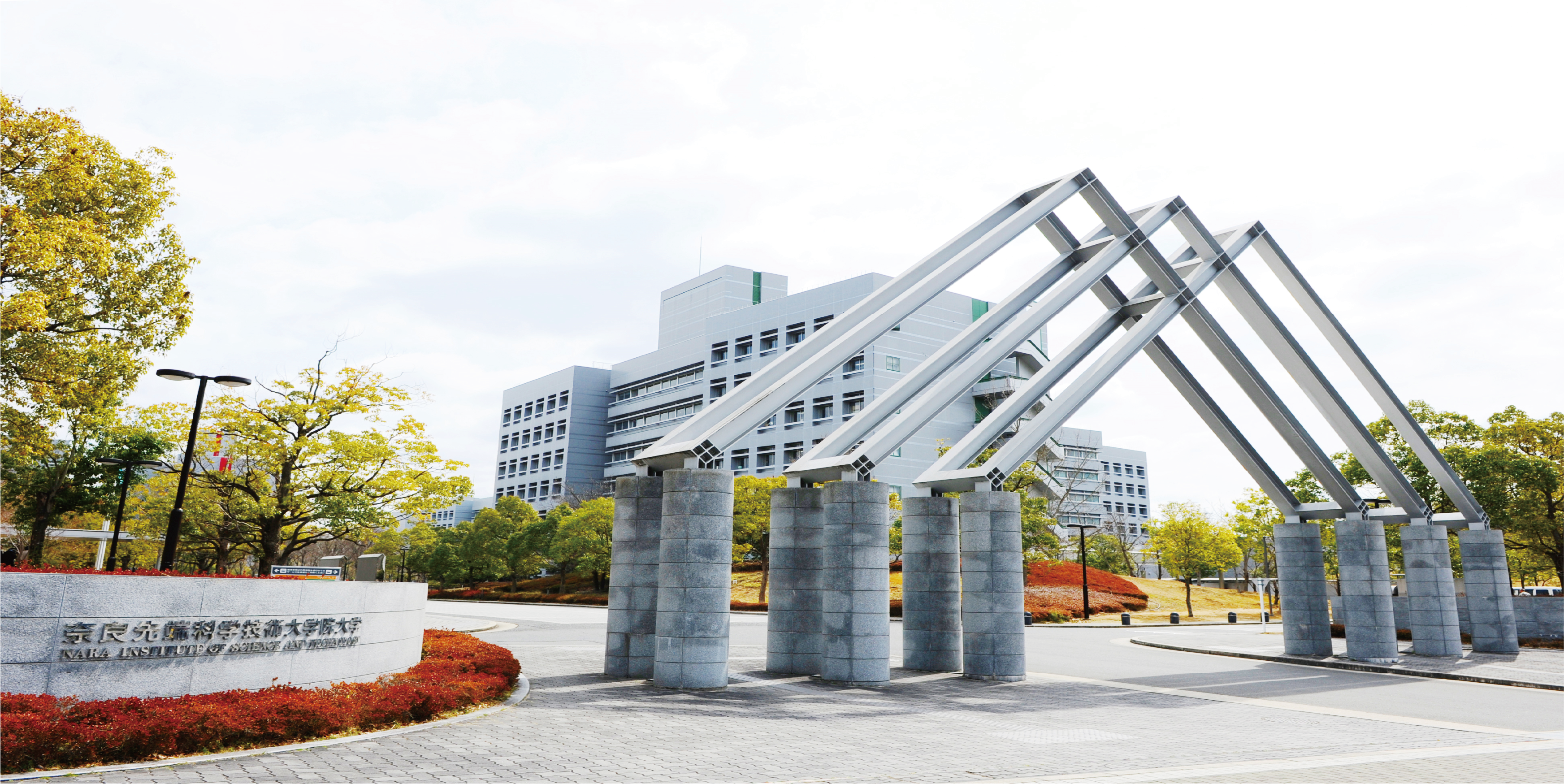
The 1st German-Japanese Summer School on Human-Centred Perception Modelling in XR is a five-day research programme open to Master's and PhD students, jointly organised by CARE Lab and IMD Lab at NAIST (Japan) and the LAVIS Lab at Hochschule RheinMain (Germany). Participation is free of charge.
The workshop explores how human perception — visual attention, multisensory integration, and spatial cognition — shapes the design of extended reality systems. Invited researchers from both countries introduce key methods and findings across six lecture areas spanning XR interfaces, human-machine interaction, AI, and experimental design.
Participants form cross-cultural teams and move through a full research cycle: from ideation and literature review, to designing and prototyping a real XR study, to presenting results on the final day. Promising projects are encouraged to continue toward joint publications.
Researchers from Germany and Japan introduce key topics in XR, perception, AI, and robotics through a series of lectures.
In cross-cultural teams: identify a research question, review the literature, and scope a study or experiment.
Build and refine an XR experiment or prototype across two days, with peer and faculty feedback throughout.
Present team results on the final day. Promising projects may continue towards joint publications.
Computational models of where and how humans direct visual attention in real and virtual scenes.
How the brain combines information from vision, hearing, touch, and proprioception into a unified percept.
Techniques for enhancing and modifying visual perception through AR and VR display systems.
Principles and methods for designing effective interfaces between humans and intelligent machines.
Modelling and predicting human comfort to guide the behaviour of robots in shared spaces.
Experimental design, ethics, measurement, and statistical analysis in the context of extended reality.
All times tentative and subject to change.
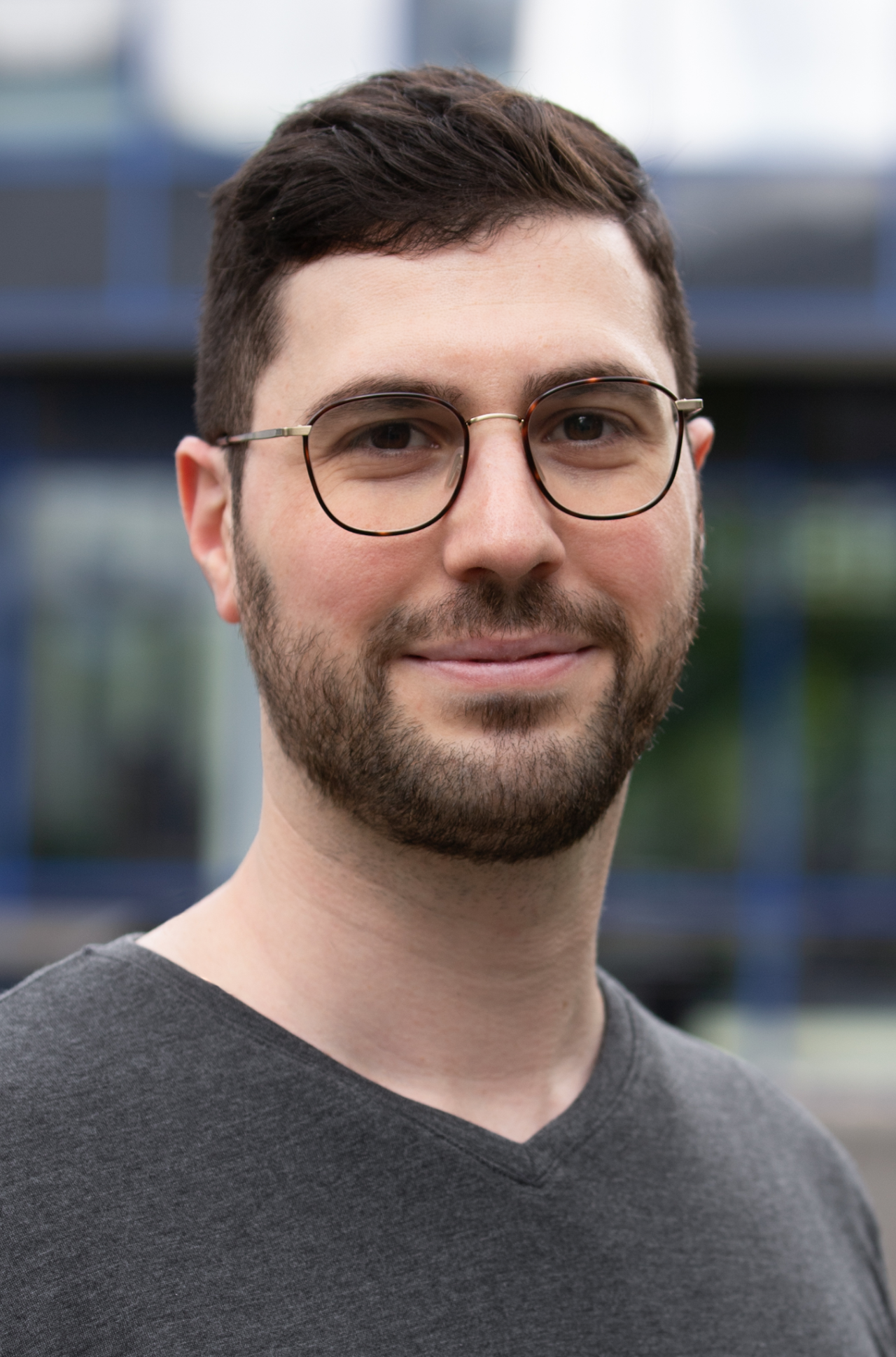
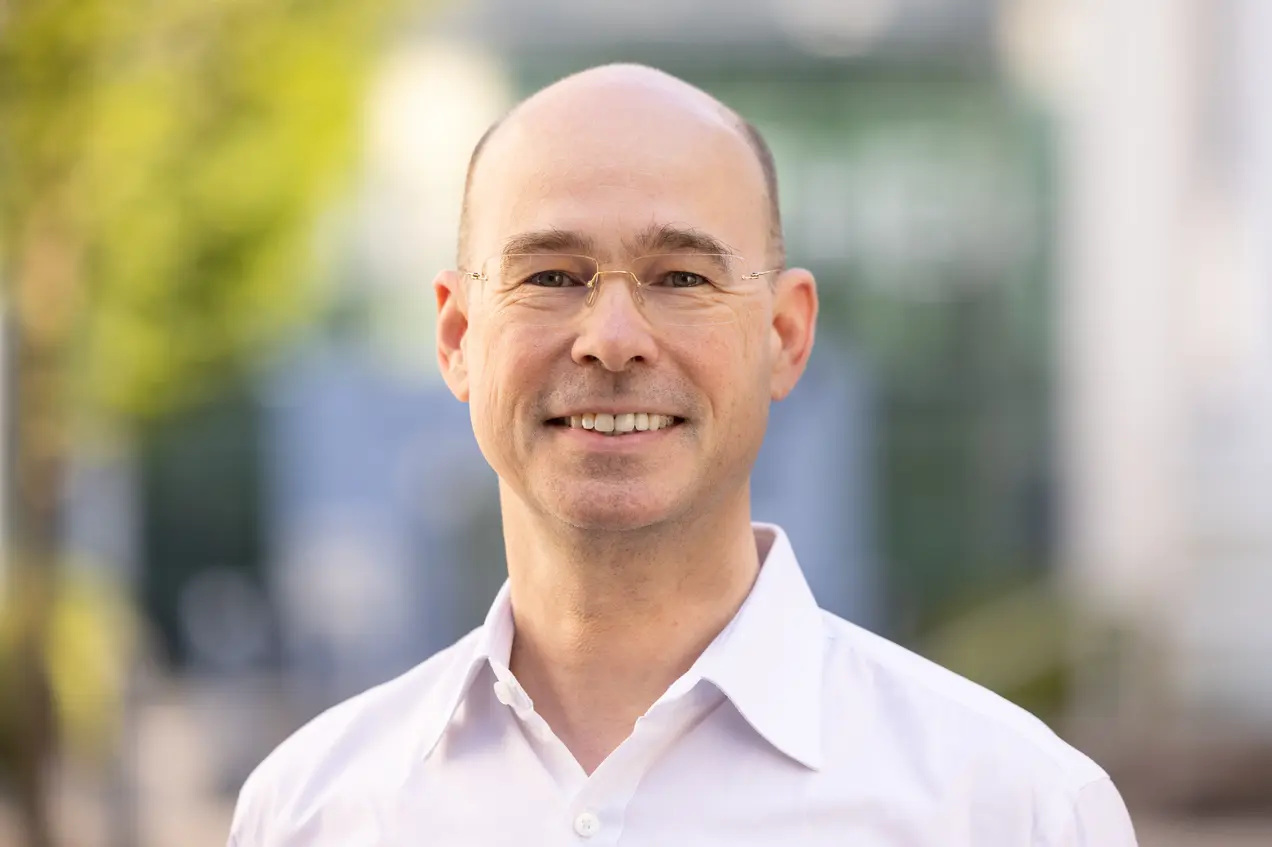
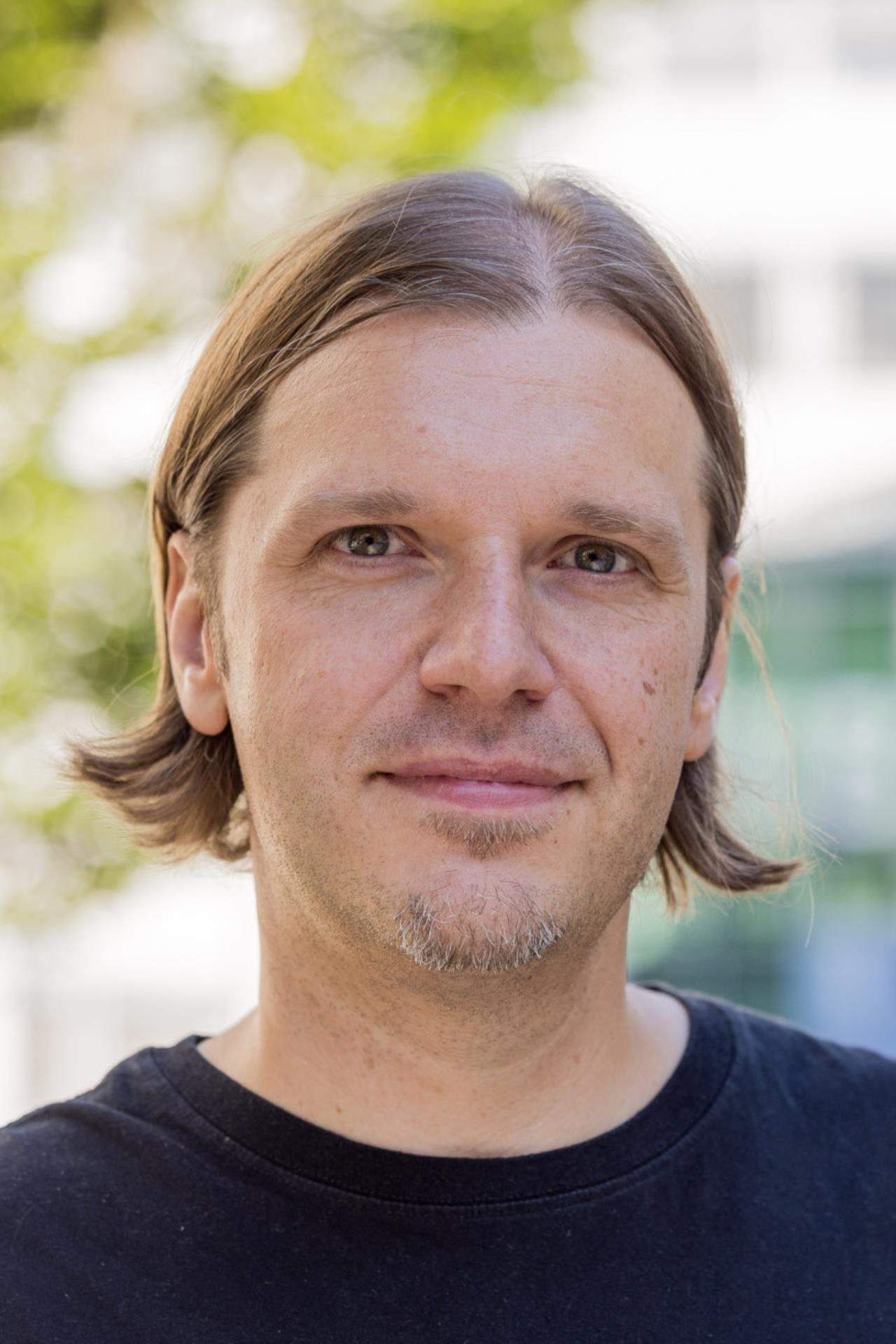
Alexander Marquardt is a JSPS Postdoctoral Fellow at NAIST, Japan. He received his MSc from Bonn-Rhein-Sieg University of Applied Sciences and his PhD in Computer Science from the University of Bremen, Germany. His research focuses on developing multisensory user interfaces that enhance interaction and perception in XR environments, aiming to improve user experience and system effectiveness. He also explores the integration of AI and language models into immersive experiences.
Monica Perusquía-Hernández obtained her Ph.D. in Human Informatics from the University of Tsukuba, Japan. She works on affective computing, physiological computing, embodiment, VR, and human–AI interaction, with a focus on wearable sensing, embodied experiences, and AI-mediated communication. She serves as an Associate Editor of the IEEE Transactions on Affective Computing and has held leadership roles at major conferences, including IEEE FG and ACII. She has also successfully led the organization of several workshops on Cyber-physical technologies for wellbeing, Physiological-based HCI, and Momentary Emotion Elicitation and Capture.
Taishi Sawabe is an Associate Professor at the Interactive Media Design (IMD) Lab at NAIST. He received his B.E. from Ritsumeikan University in the field of biomimetic robotics, and his Ph.D. from NAIST in 2019 under the supervision of Prof. Hagita at the Ambient Intelligence Laboratory. He subsequently joined IMD Lab as a postdoctoral researcher before becoming an Assistant Professor. His research interests include biomimetic robots, human-robot interaction, human comfort modelling, and autonomous vehicles.
Isidro Butaslac is an Assistant Professor at the Interactive Media Design (IMD) Lab at NAIST, Japan. He received his B.S. in Electronics and Communications Engineering from Ateneo de Manila University, Philippines, in 2016, and his M.S. and Ph.D. in Engineering from NAIST in 2020 and 2023, respectively. Following his doctorate, he worked as a researcher at the University of Science and Technology of Southern Philippines under the Office of the Vice Chancellor for Research and Innovation. His research interests include augmented and virtual reality, human-computer interaction, and affective computing.
Dirk Voelz is a Professor at Hochschule RheinMain, Germany. His research and teaching span innovation and technology management, digital business processes, lean startups, and design thinking. He also works as a professional trainer for event streaming with Apache Kafka and Apache Flink.
Martin Weier is a full professor for visual computing at Hochschule RheinMain in Wiesbaden, Germany. He received his MSc from Bonn-Rhein-Sieg University and his PhD from Saarland University. His research focuses on perception-driven rendering and gaze-contingent ray tracing systems for head-mounted displays, alongside work in visual analytics, high-quality rendering, and compiler technologies.
Biying Fu is a full professor at Hochschule RheinMain, focusing on explainable AI and human-computer interaction. Previously a senior research scientist at the Fraunhofer Institute for Computer Graphics Research, she completed her PhD in 2020 on Sensor Applications for Human Activity Recognition in Smart Environments. Her research spans data processing, biometrics, machine learning, and artificial intelligence.
Participation is open to Master's and PhD students in relevant fields. Enquiries welcome.
Email to enquire →